
Finding the right place to exercise can make it easier to build a consistent and enjoyable fitness routine. People searching for eastlake gym may be looking for information about local fitness facilities, workout options, equipment, memberships, classes, or ways to stay active in the Eastlake area. Choosing a gym is not only about finding the closest location. It is also about finding an environment, schedule, equipment selection, and membership structure that match individual goals.
A good fitness facility can support many different objectives, from improving general health and strength to building endurance, developing athletic skills, or simply creating a regular exercise habit. Before joining any gym, it is useful to understand what to look for and how to compare available options.
What to Look for in a Gym
Every person has different fitness priorities. Some people want access to cardio machines, while others are more interested in free weights, resistance equipment, group classes, or functional training areas.
The first step is identifying your primary goal. Someone interested in strength training may need a different facility from someone who mainly wants walking machines, cycling equipment, or group fitness sessions.
The atmosphere is also important. A gym should feel comfortable enough that you can imagine visiting regularly. A convenient location and suitable opening hours can make a major difference in maintaining consistency.
Location and Convenience
A gym that is easy to reach is often easier to use consistently. Consider how long it takes to travel there from home, work, or school.
If the facility is located along a regular commute, it may be possible to exercise before work, after work, or during another part of the day without making a separate long journey.
Parking and public transportation can also matter. Travelers should consider whether parking is available during busy periods or whether the gym can be reached conveniently without a car.
Gym Equipment and Facilities
Equipment is one of the most important factors to evaluate before joining. A well-rounded fitness facility may include treadmills, stationary bicycles, elliptical machines, weight machines, cable systems, free weights, benches, and functional training equipment.
People should consider the equipment they will actually use rather than choosing a gym simply because it has a large number of machines.
If strength training is a priority, check whether the facility has suitable racks, benches, weights, and resistance equipment. Those interested in cardiovascular exercise may place greater importance on the number and variety of cardio machines.
Strength Training Options
Strength training can be useful for people with different fitness goals. Gyms can provide access to equipment that may be difficult to replicate at home.
Free weights allow users to perform exercises such as squats, presses, rows, and curls, while resistance machines can offer guided movement patterns.
Beginners should take time to learn proper exercise techniques rather than immediately attempting heavy weights. Many gyms provide introductory guidance, although the exact services vary.
Progress should be gradual, with attention given to technique, recovery, and individual ability.
Cardiovascular Training
Cardio equipment can make it easier to build endurance and include aerobic exercise in a weekly routine.
Treadmills may be useful for walking or running, while stationary bikes and elliptical machines provide other options. Some gyms may also offer rowing machines or dedicated cardio areas.
Having several choices can be helpful because variety may make workouts more enjoyable. People can alternate activities instead of performing the same exercise during every session.
Group Fitness Classes
Some gyms offer instructor-led classes as part of a membership or for an additional fee. Classes may include cycling, dance-based workouts, strength sessions, mobility training, yoga, or other formats.
Group classes can provide structure for people who prefer following an instructor instead of creating their own workout.
They can also create a social environment that helps some members remain motivated. Before joining, check the class schedule and determine whether sessions are offered at convenient times.
Personal Training
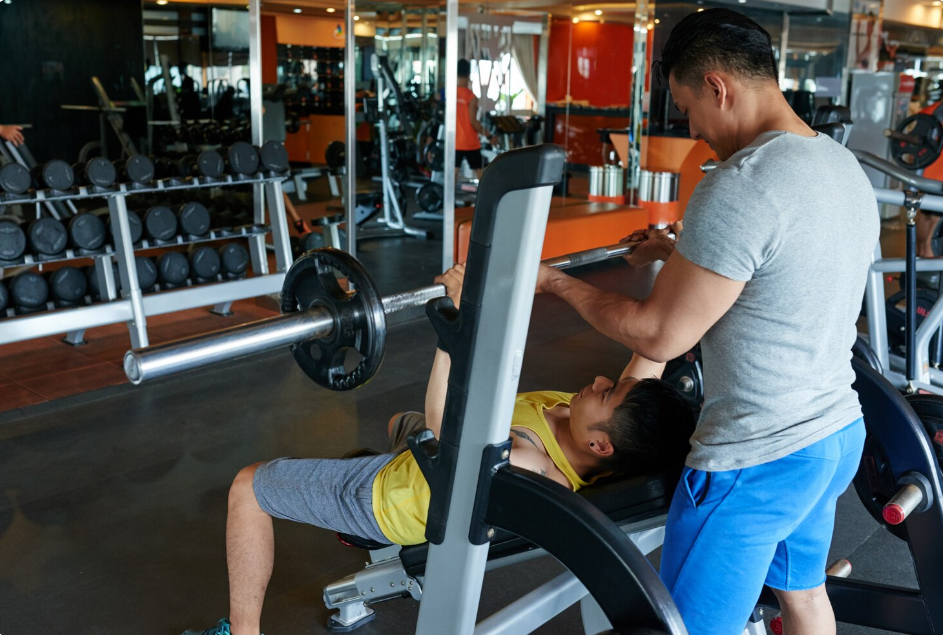
Personal training can provide individualized instruction and structured workouts. A trainer may help a client understand exercise technique, organize a routine, and work toward specific fitness goals.
However, personal training is not necessary for everyone. Some people prefer independent workouts, while others benefit from direct coaching.
If considering a trainer, ask about qualifications, experience, pricing, session length, cancellation rules, and the type of clients they typically work with.
Membership Costs
Price is an important consideration when comparing gyms. However, the advertised monthly membership may not represent the entire cost.
Ask about enrollment fees, annual charges, maintenance fees, class fees, personal training, cancellation policies, and other potential expenses.
A cheaper membership may be less useful if it lacks equipment or services that you actually need. Similarly, a more expensive facility may not provide enough additional value for someone who only needs basic equipment.
The goal is to compare the complete cost against the services you will realistically use.
Visiting Before Joining
A gym tour or trial visit can provide information that is difficult to obtain online.
During a visit, observe the cleanliness of the facility, equipment condition, crowd levels, staff availability, locker rooms, and general atmosphere.
Try to visit around the time you would normally exercise. A facility that feels comfortable during a quiet afternoon may be considerably busier during early mornings or evenings.
Ask questions before signing a contract. Understanding the membership terms can prevent unwanted surprises later.
Cleanliness and Maintenance
Clean facilities can contribute to a more comfortable workout experience. Members should look for regularly maintained equipment, accessible cleaning supplies, and organized workout areas.
Equipment should appear to be in reasonable condition, and walkways should remain clear.
A gym’s maintenance standards can also provide insight into how seriously the facility manages its overall environment.
Workout Planning for Beginners
New gym members often benefit from keeping their first workouts simple. Trying every machine during the first visit can create unnecessary fatigue and confusion.
A beginner might start with a combination of light cardiovascular activity, basic resistance exercises, and mobility work.
The focus should initially be on learning how equipment works and becoming comfortable in the gym. Intensity can increase gradually as experience develops.
Consistency is usually more valuable than attempting extremely difficult workouts and then taking long breaks.
Creating a Weekly Fitness Routine
A gym membership becomes more valuable when it supports a realistic schedule. Consider how many days per week you can actually exercise.
A routine might combine strength sessions with cardiovascular activity and recovery days. The exact structure should depend on individual goals, fitness level, and schedule.
It can be useful to set specific workout times. Treating exercise as a regular appointment can make it easier to establish a habit.
Nutrition and Recovery
Exercise is only one part of fitness. Nutrition, sleep, hydration, and recovery also contribute to overall performance.
People who exercise regularly should consume balanced meals and pay attention to their body’s need for recovery. Rest days can be useful, especially after challenging workouts.
Adequate sleep can also help people feel more prepared for exercise. Fitness should therefore be viewed as a broader lifestyle rather than simply time spent inside a gym.
Staying Motivated
Motivation can change over time. The excitement of joining a new gym may fade after several weeks, so it is useful to develop habits that do not depend entirely on motivation.
Setting small goals can provide a sense of progress. These might include attending a certain number of sessions, improving exercise technique, walking for a longer period, or gradually increasing resistance.
Tracking workouts can also make progress easier to recognize. However, people should avoid comparing their progress too closely with other gym members.
Using a Gym Safely
Safety should remain a priority during every workout. Beginners should learn how to adjust machines and use equipment correctly.
Weights should be selected based on current ability rather than ego or comparison. Good technique is generally more important than lifting the heaviest possible load.
People should also pay attention to pain, dizziness, unusual shortness of breath, or other concerning symptoms and respond appropriately. Those with specific medical or physical concerns may benefit from professional guidance before beginning a new exercise routine.
Making the Most of a Gym Membership
A membership can offer significant value when members use the services available to them.
Explore the equipment, classes, amenities, and educational resources that are included. However, do not feel pressured to use every feature.
The best gym experience is one that supports your individual goals. If you mainly enjoy strength training, focus on building a consistent strength routine. If group classes keep you interested, use the class schedule to create structure.
Common Mistakes When Choosing a Gym
One common mistake is choosing a facility based only on price. Another is joining because of attractive equipment without considering location or opening hours.
Some people also sign long contracts without fully understanding cancellation conditions.
Ignoring the gym’s busiest times can create another problem. If equipment is frequently occupied when you normally exercise, maintaining a routine may become frustrating.
A short trial or tour can help answer many of these questions before making a commitment.
Final Thoughts
Choosing an eastlake gym involves more than finding a place with exercise equipment. Location, opening hours, equipment, classes, personal training, cleanliness, membership costs, atmosphere, and convenience can all influence whether a fitness routine becomes sustainable. Before joining, identify your goals, visit the facility if possible, understand the complete membership terms, and consider how well the gym fits into your daily schedule. The right fitness environment is ultimately one that makes regular exercise practical, comfortable, and enjoyable.
FAQs
1. What should I consider when choosing a gym?
Consider the gym’s location, hours, equipment, classes, cleanliness, membership costs, crowd levels, atmosphere, and whether its facilities match your fitness goals.
2. Should I visit a gym before joining?
Yes. A visit can help you evaluate the equipment, facility condition, crowd levels, staff, amenities, and overall environment before committing to a membership.
3. Do beginners need a personal trainer?
Not necessarily. Some beginners benefit from professional instruction, while others can learn basic exercises independently. A trainer can be particularly useful for people who want personalized guidance.
4. How often should I go to the gym?
The appropriate frequency depends on your goals, experience, schedule, and recovery needs. A consistent routine that you can maintain is generally more practical than an overly demanding schedule.
5. How can I stay motivated after joining a gym?
Set realistic goals, track your workouts, vary your exercises, attend classes if you enjoy them, and establish regular workout times that fit naturally into your schedule.