
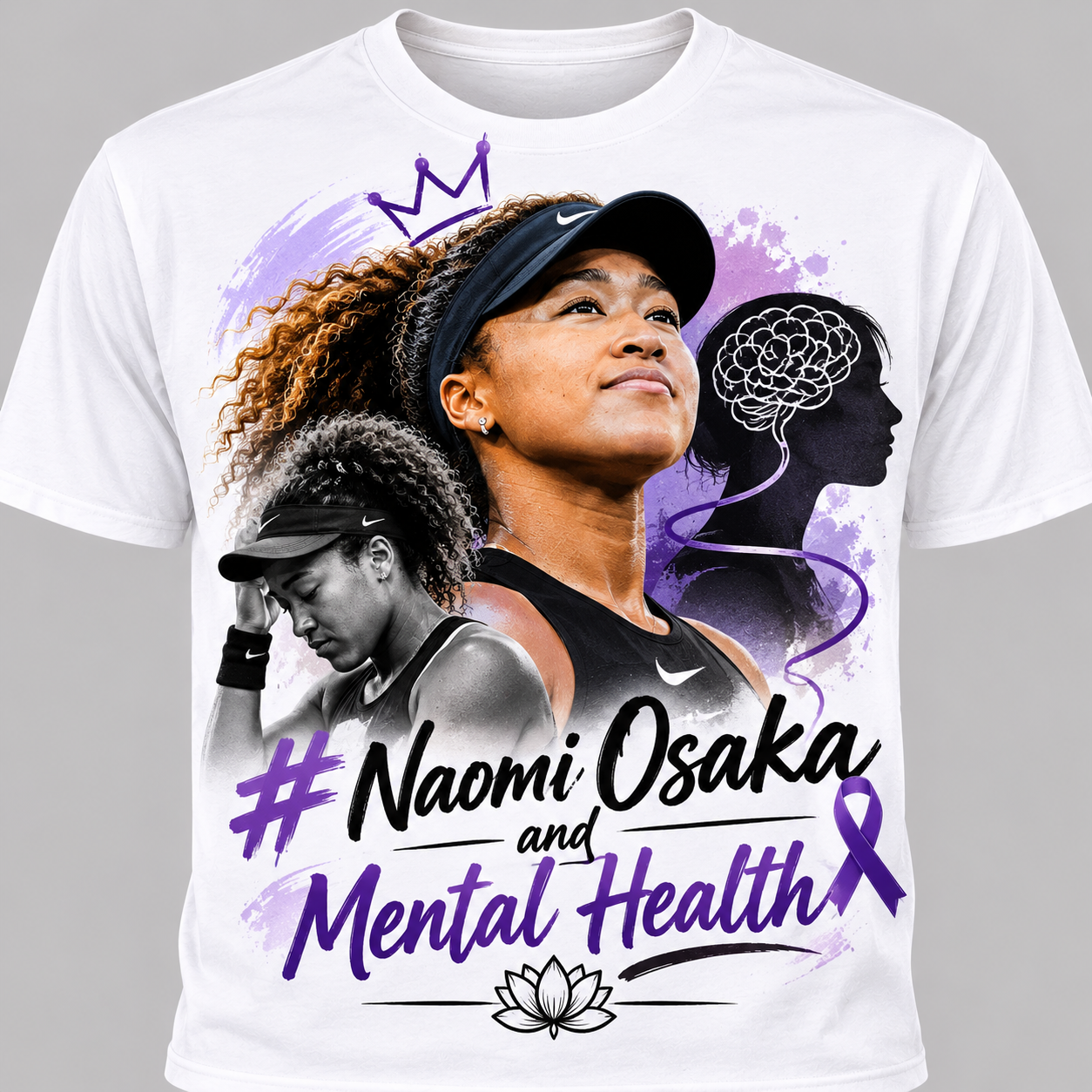
Mental health is an essential part of overall well-being, but discussing emotional struggles can be difficult, especially for people who live under constant public attention. Professional athletes often face intense pressure to perform, meet expectations, handle criticism, and maintain a successful public image.
Tennis champion Naomi Osaka brought international attention to these challenges when she spoke openly about her mental health struggles in 2021. Her decision to withdraw from the French Open after experiencing anxiety and depression sparked an important conversation about athlete well-being, professional expectations, and the importance of prioritizing mental health.
Her experience helped challenge the belief that successful athletes must always appear strong, confident, and emotionally unaffected. It also encouraged people to recognize that mental health deserves attention just as much as physical health.
Who Is Naomi Osaka?
Naomi Osaka is a Japanese professional tennis player and four-time Grand Slam singles champion. She became one of the most recognizable athletes in international tennis through her powerful playing style and achievements at major tournaments.
She won her first Grand Slam title at the 2018 US Open and later became known for her performances at the Australian Open and other major competitions.
Beyond tennis, Osaka has become an influential voice in conversations about social issues, equality, and mental health awareness.
Her willingness to discuss personal emotional challenges has helped bring attention to the pressures experienced by professional athletes, particularly the expectations surrounding public appearances and media responsibilities.
Naomi Osaka’s Mental Health Struggles
Naomi Osaka publicly discussed her mental health challenges in 2021 after withdrawing from the French Open.
She explained that she had experienced long periods of depression since winning the 2018 US Open. She also described experiencing significant anxiety before speaking to the media.
Although she was successful on the tennis court, public attention and press conferences created emotional difficulties for her.
Her experience highlighted an important reality: professional success does not necessarily mean someone is free from depression, anxiety, or other mental health challenges.
Osaka’s decision encouraged discussions about the difference between an athlete’s public image and personal emotional well-being.
BBC Sport+1
The 2021 French Open Withdrawal
One of the most significant moments in Naomi Osaka’s mental health journey occurred during the 2021 French Open.
Before the tournament, Osaka announced that she would not participate in post-match press conferences. She explained that speaking with the media could create anxiety and that she wanted to protect her mental well-being.
Tournament organizers responded by fining her $15,000 for missing a required press conference and warning of potential further disciplinary consequences.
Following the controversy, Osaka announced that she was withdrawing from the tournament.
She explained that her decision was connected to her mental health and her experience with depression.
Her withdrawal generated widespread discussion across the sports world.
Some people questioned whether athletes should be required to attend media events regardless of their emotional condition. Others emphasized the importance of balancing professional responsibilities with personal well-being.
The incident became a major turning point in conversations about mental health in professional sports.
BBC Sport+1
Why Did Press Conferences Affect Naomi Osaka’s Mental Health?
Press conferences are a regular part of professional tennis. Players are generally expected to answer questions after matches, regardless of whether they win or lose.
For Osaka, these interactions created considerable anxiety.
She explained that she was naturally introverted and found public speaking stressful. The pressure to communicate with journalists while managing the emotional demands of competition made these situations particularly difficult.
Several factors contributed to the broader discussion:
Pressure to Perform
Professional athletes are expected to perform consistently at the highest level. Losing a match can bring disappointment, criticism, and public scrutiny.
Public Expectations
Famous athletes often face expectations to remain confident, positive, and available to the media.
These expectations can make it difficult to acknowledge emotional struggles.
Social Anxiety
Osaka described experiencing anxiety before speaking to the world’s media. Her experience demonstrated that social anxiety can affect individuals even when they appear confident and successful in other areas of life.
Fear of Public Judgment
Public figures may worry about how their words and decisions will be interpreted.
The possibility of negative reactions can create additional emotional pressure.
Naomi Osaka’s Message About Depression and Anxiety
Osaka’s decision to speak publicly about depression helped increase awareness of mental health challenges among athletes and the general public.
She explained that she had experienced depression for several years and that anxiety surrounding media appearances had affected her well-being.
Her openness helped challenge common misconceptions, including the idea that successful people cannot experience mental health difficulties.
It also demonstrated that emotional struggles should not be dismissed simply because someone has achieved professional success.
In a 2021 personal essay for TIME, Osaka discussed the importance of understanding that it is acceptable not to feel okay and that people should be able to discuss mental health without shame.
TIME+1
How Naomi Osaka Helped Change the Conversation About Mental Health in Sports
Osaka’s experience encouraged athletes, sports organizations, journalists, and fans to reconsider how mental health is addressed in professional sports.
1. Encouraging Athletes to Speak Openly
Athletes may feel pressure to hide emotional difficulties because they fear being viewed as weak or unprofessional.
Osaka’s openness helped create space for more honest conversations about depression, anxiety, and emotional exhaustion.
2. Challenging Traditional Sports Expectations
Professional sports often emphasize discipline, toughness, and competition.
While these qualities are important, Osaka’s experience highlighted the need to recognize emotional health as part of athletic performance and overall well-being.
3. Increasing Awareness of Social Anxiety
Her comments about press conferences helped people understand that social anxiety can affect individuals in demanding professional environments.
It also showed that being successful in public does not mean someone is comfortable with every form of public interaction.
4. Encouraging Better Support Systems
Her experience contributed to broader discussions about providing athletes with mental health professionals, appropriate support, and more flexible approaches to media responsibilities.
5. Reducing Mental Health Stigma
By speaking about depression and anxiety, Osaka helped challenge the stigma associated with seeking help.
Her message encouraged people to recognize that mental health challenges are legitimate and deserve understanding.
Naomi Osaka’s Mental Health Advocacy
Osaka’s involvement in mental health awareness continued beyond the 2021 French Open controversy.
She has supported initiatives that encourage people, particularly younger generations, to discuss emotional difficulties and seek help.
Maybelline’s Brave Together Initiative
Osaka became an ambassador for Maybelline’s Brave Together initiative.
The campaign focuses on raising awareness about anxiety and depression while helping connect people with mental health resources.
Its purpose includes reducing stigma and encouraging individuals to seek support when they need it.
In a 2025 interview with ELLE Canada, Osaka discussed how sharing her experiences had become easier over time. She also emphasized the importance of making mental health resources more accessible to younger people.
ellecanada.com+1
Encouraging Young People to Discuss Emotions
Osaka has spoken about how younger athletes may grow up believing that showing emotions is a sign of weakness.
She wants young people to understand that expressing feelings is not something to be ashamed of.
This message is particularly important for children and teenagers who may experience academic pressure, competition, social difficulties, or anxiety.
Promoting Emotional Support
Her advocacy emphasizes that people should feel supported when discussing their feelings.
Having trusted individuals, professional resources, and supportive environments can make it easier to seek help.
How Naomi Osaka Manages Mental Wellness
Osaka has discussed several practices that help her maintain emotional balance while managing professional and personal responsibilities.
These are personal strategies rather than a universal treatment plan, but they offer useful insights into the importance of self-care.
Meditation
Meditation can help individuals slow down, focus on the present moment, and manage everyday stress.
Osaka has mentioned using meditation as part of her efforts to remain grounded.
Setting Personal Boundaries
Learning to establish boundaries has been an important part of her mental health journey.
This includes recognizing when she needs time for herself and understanding that she does not have to meet every expectation placed on her.
Reducing Social Media Exposure
Osaka has discussed stepping back from social media because she found the environment increasingly negative.
Reducing exposure to online criticism can help some individuals protect their emotional well-being.
Working With Mental Health Support Professionals
She has also spoken about traveling with a mental health coach who helps her use practical tools both on and off the tennis court.
This highlights how professional support can be useful even for people who are highly accomplished and physically fit.
Making Time for Personal Life
In a 2026 interview with Oprah Daily, Osaka discussed how her approach to self-care has developed through motherhood and the importance of making time to pause, meditate, and protect her personal boundaries.
Oprah Daily+1
Naomi Osaka’s Mental Health Journey and Motherhood
Motherhood has added another dimension to Osaka’s approach to emotional well-being.
She welcomed her daughter, Shai, in 2023. Since becoming a mother, Osaka has discussed how her priorities and understanding of self-care have changed.
She has explained that taking care of herself is also connected to the kind of support and environment she wants to provide for her daughter.
In interviews, she has emphasized the importance of allowing children to express their emotions and feel supported rather than isolated.
Her perspective reinforces an important message: emotional well-being is not only about managing personal stress but also about building healthy relationships and supportive environments.
Lessons We Can Learn From Naomi Osaka’s Mental Health Experience
Naomi Osaka’s experience provides several lessons that apply beyond professional tennis.
Mental Health Is as Important as Physical Health
A person can be physically strong and professionally successful while still experiencing emotional difficulties.
Mental health deserves attention regardless of someone’s achievements.
It Is Okay to Set Boundaries
People do not have to accept every demand placed on them.
Setting healthy boundaries can help protect emotional well-being and create a more balanced life.
Asking for Help Is Not Weakness
Seeking professional support is a responsible step toward managing mental health challenges.
People should not feel ashamed of speaking with therapists, counselors, or other qualified professionals.
Success Does Not Define Personal Worth
Osaka has discussed how her relationship with tennis changed when she began to recognize that her value as a person is not determined by winning matches.
This lesson applies to students, employees, athletes, and anyone who connects self-worth too closely with achievement.
Everyone Deserves Emotional Support
Mental health struggles can affect people from all backgrounds.
Listening without judgment and creating supportive environments can make a meaningful difference.
Conclusion
Naomi Osaka’s mental health journey has become an important part of the conversation about emotional well-being in professional sports. Her decision to withdraw from the 2021 French Open after discussing depression and anxiety challenged traditional expectations surrounding athletes and public responsibilities.
Through interviews, personal reflections, and mental health awareness initiatives, she has encouraged people to talk more openly about emotional challenges and seek appropriate support.
Her experience reminds us that success does not eliminate mental health struggles, that personal boundaries matter, and that asking for help should never be considered a weakness.
Most importantly, Naomi Osaka’s message extends beyond tennis: mental health matters, everyone deserves support, and no one should have to hide their struggles to meet society’s expectations.
Frequently Asked Questions (FAQs)
1. Why did Naomi Osaka withdraw from the 2021 French Open?
Naomi Osaka withdrew from the 2021 French Open after a disagreement over mandatory press conferences. She explained that media appearances created significant anxiety and that she had experienced long periods of depression.
2. What mental health challenges has Naomi Osaka discussed publicly?
Osaka has spoken about experiencing depression and anxiety, particularly anxiety associated with public speaking and media responsibilities. These are experiences she has described publicly, not a general diagnosis of every difficulty she may have faced.
3. How did Naomi Osaka help raise mental health awareness?
She helped raise awareness by discussing her personal experiences, challenging stigma, supporting mental health initiatives, and encouraging young people to talk openly about their emotions.
4. What is Naomi Osaka’s connection to the Brave Together initiative?
Naomi Osaka has served as an ambassador for Maybelline’s Brave Together initiative, which aims to increase awareness of anxiety and depression, reduce stigma, and encourage access to mental health support.
5. What can people learn from Naomi Osaka’s mental health journey?
People can learn that mental health is important, setting boundaries is healthy, professional success does not determine personal worth, and asking for emotional support is a sign of self-awareness rather than weakness.



1 Comment
[…] Read More: Naomi Osaka and Mental Health: Her Journey, Challenges, and Impact on Mental Health Awareness […]