
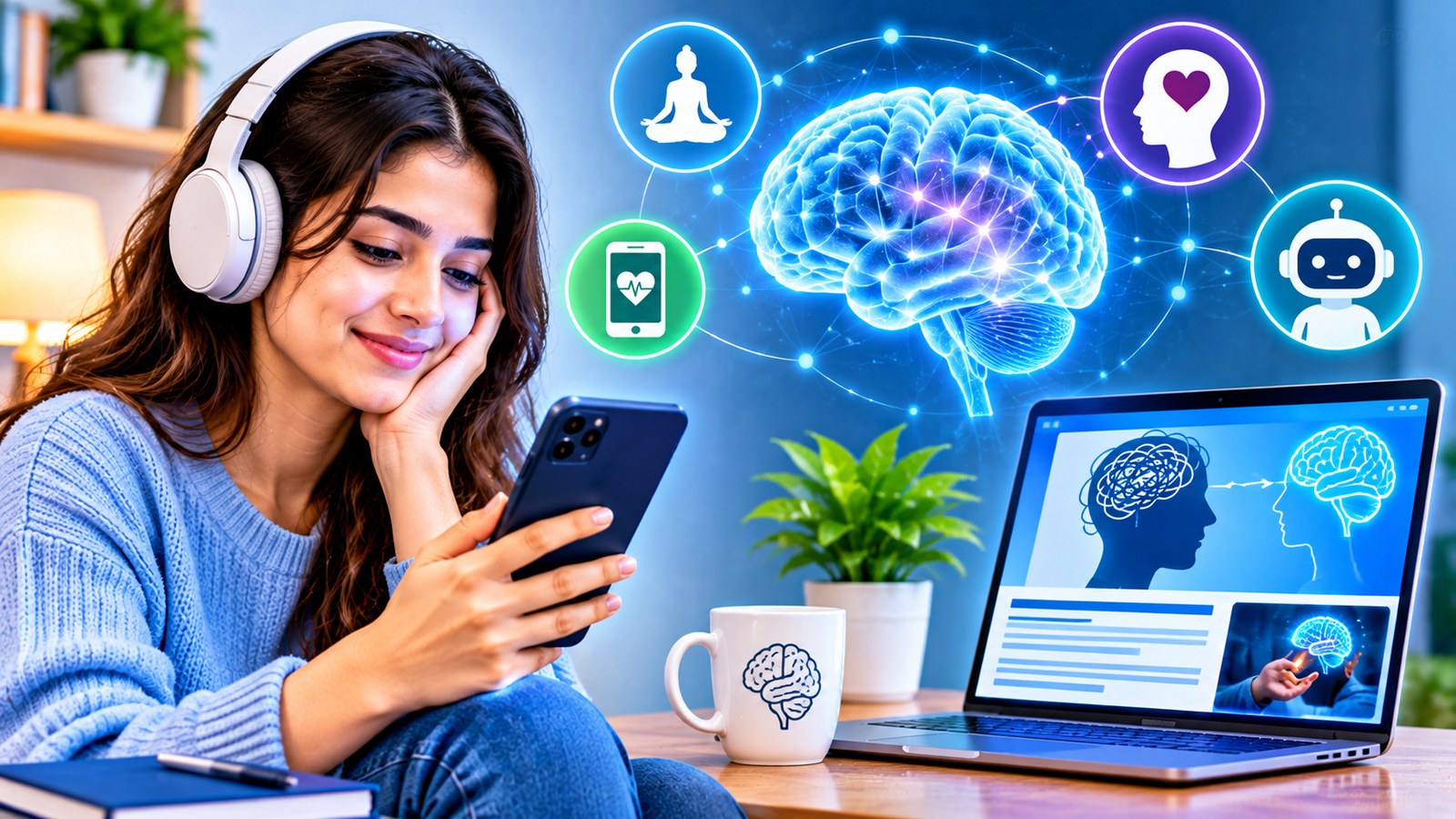
Mental health technology is changing how people access emotional support, understand psychological conditions, and receive professional treatment. From artificial intelligence (AI) chatbots and online therapy platforms to wearable devices and digital mental health applications, technology is creating new opportunities for individuals, healthcare providers, and mental health organizations.
Mental health tech news has become an important topic as demand for accessible psychological support continues to grow. Traditional mental health services can involve long waiting times, high costs, and limited availability of specialists. Digital solutions are helping address some of these challenges by making mental health information, monitoring tools, and certain forms of support more accessible.
In 2026, major developments include the growing use of AI for emotional support, personalized treatment powered by health data, digital programs for young people, and increased attention to the safety and regulation of mental health technology.
This article explores the latest mental health technology developments, emerging innovations, benefits, challenges, and the future of digital mental healthcare.
What Is Mental Health Technology?
Mental health technology refers to digital tools, software, devices, and online services designed to support psychological well-being and behavioral healthcare.
These technologies can help people monitor their emotional health, access educational resources, communicate with mental health professionals, and participate in structured treatment programs.
Some common examples include:
- Online therapy and counseling platforms
- AI-powered mental health chatbots
- Meditation and mindfulness applications
- Digital cognitive behavioral therapy programs
- Wearable devices that monitor sleep and activity
- Virtual reality therapy
- Electronic mental health records
- Remote patient monitoring systems
- Digital tools for mental health professionals
Mental health technology does not always replace traditional treatment. In many situations, it works alongside professional care to improve accessibility, communication, and treatment management.
Latest Mental Health Tech News and Developments in 2026
The mental health technology industry is experiencing significant changes. New research, digital products, and regulatory discussions are influencing how technology is used in behavioral healthcare.
1. Artificial Intelligence Is Becoming More Common in Mental Health Support
Artificial intelligence is one of the biggest developments in mental health technology.
AI-powered chatbots can respond to questions, explain mental health concepts, suggest general coping strategies, and help users organize their thoughts. Some people also use these tools for emotional support between professional appointments.
A 2026 survey from the American Psychological Association found that 77% of surveyed psychologists said their patients reported using AI. Some patients use chatbots for self-diagnosis, behavioral reminders, treatment assistance, and additional emotional support.
This growing adoption demonstrates how AI is becoming part of conversations about modern mental healthcare.
However, AI chatbots are not equivalent to licensed therapists. They can misunderstand complex situations, provide inaccurate information, or fail to recognize serious warning signs.
Mental health professionals continue to emphasize that AI should complement appropriate human care rather than replace qualified treatment.
2. Digital Mental Health Regulation Is Receiving More Attention
As mental health applications become increasingly popular, governments and healthcare organizations are paying closer attention to their safety and effectiveness.
A major development in November 2026 involved the launch of an evaluation survey by the UK’s Medicines and Healthcare products Regulatory Agency and the National Institute for Health and Care Excellence.
The initiative is connected to the Digital Mental Health Technologies programme. It seeks feedback from healthcare professionals, researchers, technology developers, patients, carers, and members of the public.
The evaluation aims to understand whether existing resources are helping people develop, regulate, evaluate, and adopt digital mental health technologies safely.
This development highlights an important issue: mental health applications need more than attractive designs and convenient features. They also need appropriate evidence, safety standards, and clear information about their limitations.
3. Personalized Mental Healthcare Is Growing
Personalized mental healthcare uses information about an individual’s symptoms, lifestyle, health history, and behavior to help guide treatment decisions.
Technology is making it easier for healthcare professionals to consider information from multiple sources.
For example, wearable devices and smartphone applications can collect information about:
- Sleep duration and quality
- Daily physical activity
- Movement patterns
- Heart rate
- Daily routines
- Self-reported mood
- Stress levels
When used with appropriate permission and clinical oversight, these details may help professionals identify patterns that are difficult to notice during occasional appointments.
Researchers are also investigating how artificial intelligence can analyze large amounts of health information to support individualized treatment decisions.
The goal is to move toward more responsive care instead of relying entirely on trial-and-error approaches.
4. Digital Mental Health Tools for Young People
Children, teenagers, and young adults increasingly interact with digital technology in their everyday lives.
Mental health organizations and researchers are exploring ways to use this familiarity to improve emotional education and early intervention.
Digital programs may include interactive exercises, educational videos, self-guided activities, and games designed to teach healthy coping skills.
Research highlighted by the American Psychological Association in 2026 included an educational video game developed with teenagers to support youth mental health and help prevent opioid misuse.
Such programs demonstrate how interactive technology may encourage young people to engage with mental health education.
However, digital programs should be designed with age-appropriate safeguards, privacy protections, and professional input.
5. Virtual Reality Is Expanding Mental Health Treatment Possibilities
Virtual reality is another developing area of behavioral healthcare.
VR technology creates computer-generated environments that allow individuals to experience controlled situations in an immersive setting.
Researchers and clinicians are exploring its use in several areas, including:
- Anxiety management
- Phobia treatment
- Trauma-related treatment
- Relaxation exercises
- Social skills practice
- Stress management
For example, carefully designed virtual environments may help individuals gradually practice responding to situations that cause anxiety.
Virtual reality is not appropriate for every person or condition. Its effectiveness depends on the treatment design, clinical supervision, and individual circumstances.
Nevertheless, it represents an interesting direction for technology-supported psychological treatment.
Popular Types of Mental Health Technology
Different digital tools support different aspects of mental health. Understanding their purpose can help individuals and professionals choose appropriate options.
Mental Health and Meditation Applications
Mental wellness applications provide tools for relaxation, mindfulness, sleep improvement, mood tracking, and stress management.
Common features include guided meditation, breathing exercises, daily reminders, and educational content.
These applications may help users develop consistent self-care habits. However, they should not be treated as substitutes for professional assessment or treatment when someone is experiencing significant psychological difficulties.
Online Therapy Platforms
Online therapy allows individuals to communicate with qualified mental health professionals through video calls, messaging, or other digital communication methods.
This can make professional support more convenient for people who have transportation difficulties, busy schedules, mobility limitations, or limited access to local providers.
Before using an online therapy service, individuals should check professional credentials, privacy policies, fees, and the availability of emergency support.
AI-Powered Mental Health Chatbots
AI chatbots use language-processing technology to respond to written or spoken questions.
They may help users:
- Learn about common mental health conditions
- Understand general coping strategies
- Organize thoughts before therapy
- Practice simple relaxation exercises
- Track emotional patterns
- Prepare questions for healthcare professionals
Their limitations are equally important. They cannot reliably provide the complete clinical assessment, professional judgment, and therapeutic relationship associated with qualified mental health treatment.
Wearable Mental Health Technology
Smartwatches and fitness trackers can collect information about sleep, physical activity, and certain physiological measurements.
These devices are not direct diagnostic tools for most mental health conditions. However, information about sleep and activity may help people notice lifestyle patterns associated with changes in their emotional well-being.
Healthcare professionals may also use relevant information as part of a broader assessment when appropriate.
Digital Therapeutics
Digital therapeutics are software-based interventions designed to prevent, manage, or treat specific health conditions.
Unlike general wellness applications, these products may be developed around structured therapeutic methods and clinical evidence.
Some digital mental health programs use cognitive behavioral therapy exercises, guided activities, and symptom-monitoring tools.
Their clinical status and regulatory requirements depend on the product, intended use, and country.
Benefits of Mental Health Technology
Digital innovation offers several potential advantages for individuals and healthcare providers.
Improved Access to Mental Health Support
One of the most important benefits is improved accessibility.
People living in rural communities or areas with limited mental health professionals may find it difficult to attend traditional appointments.
Online services can help reduce some geographical barriers by connecting users with providers remotely.
Greater Convenience
Digital tools can allow people to complete certain activities at home or between professional appointments.
For example, users may participate in guided exercises, record their mood, or review educational material at convenient times.
Better Awareness of Emotional Patterns
Mood-tracking applications and wearable devices may help users identify patterns involving sleep, stress, physical activity, and emotional well-being.
This information can provide useful discussion points during professional appointments.
Support Between Therapy Sessions
Technology can help people remain engaged with treatment outside scheduled appointments.
Digital reminders, educational exercises, and structured practice activities may support skills learned during therapy.
Increased Mental Health Awareness
Online resources can help people learn about anxiety, depression, stress, trauma, and other psychological concerns.
Better access to reliable information may encourage individuals to seek professional support earlier.
Challenges and Risks of Mental Health Technology
Although digital innovation offers opportunities, it also creates important concerns.
Privacy and Data Security
Mental health information is highly personal. Applications may collect sensitive details about emotional experiences, health history, relationships, and daily behavior.
Users should understand what information an application collects, how it is stored, whether it is shared, and how they can manage their data.
Developers should use appropriate security practices and provide transparent privacy policies.
Inaccurate AI Responses
AI systems can produce convincing answers that are incorrect, incomplete, or unsuitable for a particular situation.
This can be particularly concerning when users seek help for severe depression, suicidal thoughts, psychosis, trauma, or other complex mental health concerns.
AI-generated information should not replace professional assessment or emergency support.
Digital Dependency
Some users may become overly dependent on applications or chatbots for emotional reassurance.
Technology should support healthy coping skills and real-world relationships rather than discourage human interaction.
Unequal Access to Technology
Not everyone has reliable internet access, a suitable smartphone, digital literacy, or the financial resources needed to use online services.
Mental health technology should complement accessible traditional services rather than create additional barriers.
Limited Clinical Evidence
Not every mental health application has been evaluated through rigorous scientific research.
A product may look professional and offer many features without demonstrating that it improves mental health outcomes.
Consumers and healthcare professionals should consider evidence, professional involvement, and appropriate regulatory status before relying on a digital treatment.
How Mental Health Professionals Are Using Technology
Mental health technology is changing the work of psychologists, psychiatrists, counselors, and behavioral healthcare organizations.
Professionals may use digital systems to manage appointments, maintain records, communicate with patients, and coordinate treatment.
AI-assisted documentation tools can also help clinicians organize notes and reduce certain administrative tasks.
Other technologies can support remote consultations, symptom monitoring, and structured treatment activities.
However, healthcare professionals remain responsible for clinical decisions. Technology should support their work without weakening patient privacy, professional judgment, or the quality of the therapeutic relationship.
The Future of Mental Health Technology
The future of mental health technology is likely to involve more personalized, connected, and research-informed digital services.
Several developments may influence the industry in the coming years.
More Advanced AI Support
AI systems may become better at understanding conversational context and helping users navigate general mental health information.
Future development will need to prioritize safety testing, clinical oversight, transparency, and appropriate escalation when someone needs professional assistance.
Greater Integration With Healthcare Systems
Digital mental health applications may become more closely connected with electronic health records, telehealth platforms, and clinical monitoring systems.
This could improve coordination between patients and healthcare providers when privacy and consent are properly managed.
More Research-Based Digital Treatments
Researchers and developers are likely to focus increasingly on demonstrating whether digital mental health products produce meaningful improvements.
Clinical research can help distinguish evidence-based interventions from applications that offer general wellness features without established treatment benefits.
Better Support for Underserved Communities
Technology may help expand mental health education and professional services in communities with limited access to traditional care.
However, successful programs will also need to address language differences, affordability, internet access, and cultural needs.
Stronger Safety and Regulatory Standards
As digital mental health products become more widely used, clear standards for privacy, clinical evidence, advertising, and patient safety will become increasingly important.
Collaboration between researchers, clinicians, technology developers, regulators, and people with lived experience can help shape responsible innovation.
How to Choose a Safe Mental Health Technology Tool
Before downloading an application or using an online mental health service, consider the following factors:
- Check the purpose: Understand whether the product offers general wellness information, professional counseling, or a clinically intended treatment.
- Review privacy practices: Look for clear explanations of data collection, storage, and sharing.
- Check professional involvement: Find out whether qualified mental health professionals contributed to the service.
- Look for reliable evidence: Consider whether research supports the product’s specific claims.
- Understand its limitations: Do not assume an application can diagnose or treat every mental health condition.
- Consider accessibility: Check language options, costs, device requirements, and customer support.
- Seek professional advice: Discuss digital tools with a qualified healthcare provider when using them as part of treatment.
If someone is experiencing a mental health crisis or immediate risk of self-harm, an ordinary wellness application or chatbot is not an appropriate substitute for urgent professional or emergency assistance.
Conclusion
Mental health tech news in 2026 highlights how artificial intelligence, wearable devices, online therapy, virtual reality, and digital treatment programs are influencing behavioral healthcare.
These innovations may improve access, support personalized care, increase mental health awareness, and help professionals monitor treatment more effectively.
At the same time, concerns about privacy, inaccurate AI responses, digital dependency, and limited clinical evidence show why responsible development is essential.
The future of mental health technology should not be measured only by how advanced digital tools become. Its real value will depend on whether these innovations make mental healthcare safer, more accessible, and more effective.
Technology can provide valuable assistance, but human understanding, professional expertise, and meaningful relationships remain central to mental health and long-term recovery.
Frequently Asked Questions (FAQs)
1. What is the latest news in mental health technology in 2026?
Major developments include increased use of AI chatbots for emotional support, personalized mental healthcare using wearable data, digital programs for young people, and stronger discussions about the regulation and safety of mental health applications.
2. How is artificial intelligence changing mental healthcare?
AI can help users access general mental health information, organize thoughts, practice basic coping exercises, and monitor certain patterns. Healthcare professionals may also use AI-assisted tools for administrative and clinical support. However, AI cannot replace qualified mental health professionals.
3. Are mental health applications effective?
Some mental health applications may help users with mindfulness, stress management, mood tracking, and structured therapeutic exercises. Their effectiveness depends on the quality of the application, scientific evidence, and the individual’s needs.
4. Can wearable devices detect mental health problems?
Wearable devices can monitor information such as sleep, activity, and heart rate. These measurements may provide useful information about lifestyle patterns, but they cannot independently diagnose mental health conditions.
5. What is the future of mental health technology?
The future may include more personalized digital treatments, improved AI safety, virtual reality interventions, connected healthcare systems, and stronger clinical evaluation standards. The main objective is to use technology to improve professional care and make mental health support more accessible.