
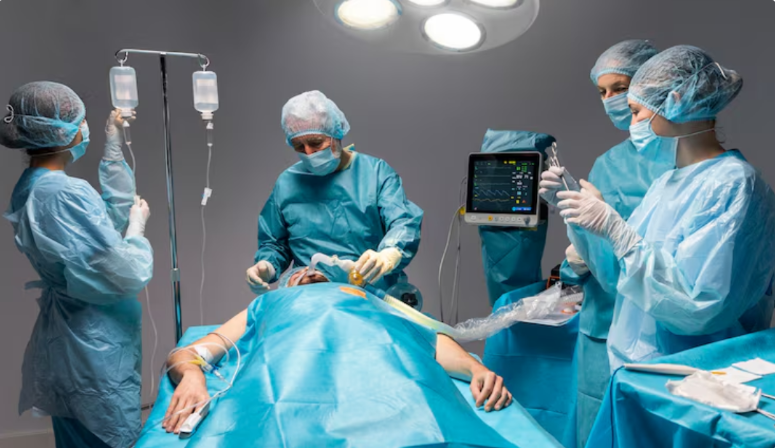
Modern healthcare has transformed significantly over the past few decades, especially in the field of surgery. Medical advancements now allow surgeons to perform procedures with greater precision, reduced recovery time, and improved patient safety. One of the most important innovations supporting these improvements is the use of surgical stapling devices in hospitals and healthcare centers worldwide.
These advanced tools have become an essential part of many surgical procedures because they help surgeons close wounds, reconnect tissues, and reduce operation time more effectively than traditional suturing methods. As medical technology continues to evolve, surgical staplers are playing an increasingly important role in enhancing surgical outcomes and supporting minimally invasive procedures.
The Growing Importance of Surgical Technology
The healthcare industry is constantly searching for ways to improve patient care and surgical efficiency. Traditional stitching methods have been used for many years, but modern surgical procedures often require faster and more precise solutions. Surgical staplers provide consistent wound closure, minimize tissue damage, and help reduce complications during surgery.
Hospitals and surgeons prefer these devices because they improve operational accuracy and help lower the risk of infection. Their ability to create secure tissue connections has made them valuable in both routine and complex surgical procedures.
Today, healthcare facilities across the world are investing in advanced surgical tools that can support better patient outcomes while reducing recovery periods. This growing demand has encouraged manufacturers to continue developing smarter and safer stapling technologies.
How Surgical Staplers Improve Procedures
Surgical staplers are commonly used in procedures involving the abdomen, lungs, digestive tract, and other delicate internal organs. They are designed to close wounds quickly and efficiently, helping surgeons maintain precision during operations.
One major advantage of these devices is their ability to reduce operating time. Faster procedures often mean lower risks for patients under anesthesia and reduced strain on medical teams. Additionally, modern stapling systems are designed to create uniform closures, which can improve healing and minimize post-surgical complications.
Many advanced staplers are also compatible with minimally invasive surgery techniques. These procedures require smaller incisions, resulting in less pain, shorter hospital stays, and quicker recovery for patients.
Innovation Driving the Healthcare Industry
Medical device manufacturers continue to improve surgical technologies by introducing smarter and more efficient systems. Robotic-assisted surgeries and powered stapling systems are becoming increasingly common in advanced healthcare environments.
Modern surgical staplers are now equipped with features that improve accuracy and tissue handling. Some systems can automatically adjust to tissue thickness, helping surgeons achieve consistent results during delicate operations. These advancements support safer surgeries and improve confidence in complex medical procedures.
The integration of digital technologies is also shaping the future of surgery. Smart surgical systems can provide real-time feedback, improve surgical planning, and enhance operational efficiency in hospitals.
Rising Demand Across Global Healthcare Markets
The demand for advanced surgical equipment continues to grow worldwide due to increasing healthcare investments, aging populations, and rising rates of chronic diseases. Hospitals and healthcare providers are focusing on technologies that improve treatment quality while optimizing operational performance.
Minimally invasive surgeries are becoming more popular because patients prefer procedures with quicker recovery times and fewer complications. This trend has significantly increased the adoption of modern surgical stapling systems in healthcare facilities.
Developing countries are also investing heavily in healthcare infrastructure, creating new opportunities for advanced medical technologies. As hospitals modernize their surgical departments, the use of innovative stapling solutions is expected to increase even further.
Focus on Safety and Quality Standards
Patient safety remains a top priority in the healthcare industry. Manufacturers of surgical equipment must follow strict quality and safety regulations before products can be approved for medical use.
Modern stapling systems undergo extensive testing to ensure reliability, durability, and performance during surgical procedures. Healthcare professionals also receive specialized training to use these devices effectively and safely.
Continuous improvements in design and technology are helping reduce surgical risks while improving the overall patient experience. Hospitals are increasingly selecting surgical tools that meet international healthcare standards and provide long-term reliability.
The Future of Surgical Innovation
The future of surgery will continue to be shaped by technology, automation, and precision-based healthcare solutions. Surgical staplers are expected to become even more advanced as manufacturers integrate robotics, artificial intelligence, and smart monitoring systems into surgical environments.
Future developments may include enhanced tissue recognition, real-time performance tracking, and improved compatibility with robotic surgical systems. These innovations will help surgeons perform procedures with greater confidence and efficiency.
Healthcare systems worldwide are moving toward more patient-centered treatment approaches, and advanced surgical tools will remain essential in supporting this transition.
Conclusion
Medical technology continues to transform modern surgery by improving precision, efficiency, and patient safety. Among the many innovations shaping the healthcare industry, surgical stapling devices have become a critical tool in supporting successful surgical procedures and faster patient recovery.
As healthcare providers increasingly adopt minimally invasive techniques and advanced surgical systems, the demand for reliable stapling technologies will continue to grow. With ongoing innovation and strict quality standards, these devices are expected to remain an important part of modern healthcare for years to come.